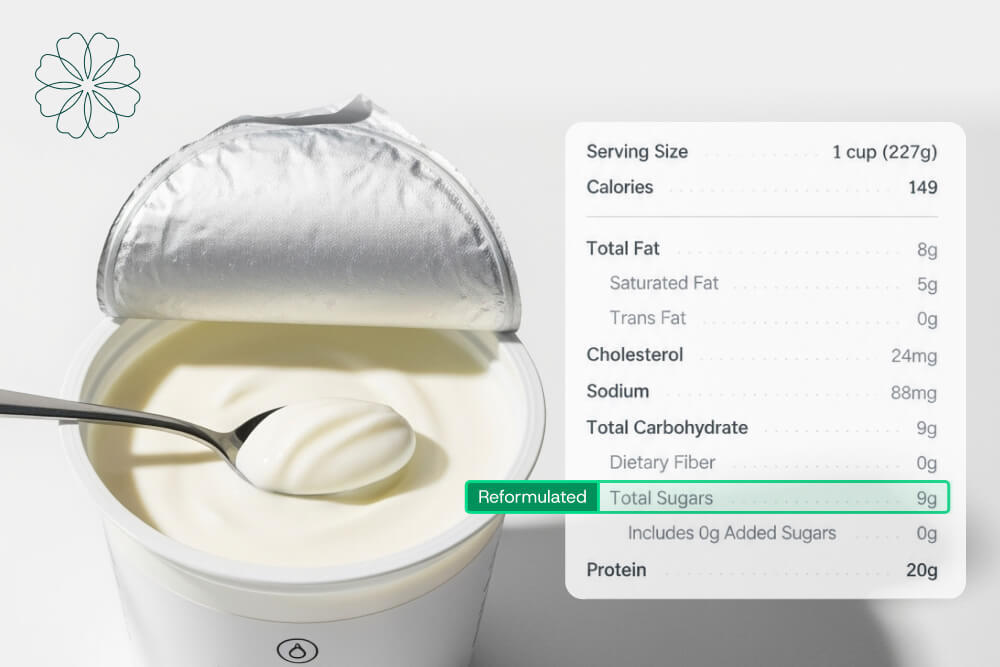
Food brands reformulate products regularly. When the testing program does not change with the formula, the existing plan may no longer reflect the product’s risk profile. Here is what to review before the reformulated product enters production.
Your R&D team reformulates a product. They use a new ingredient. The cost is better. The label is cleaner. The change makes sense commercially, operationally, and competitively.
But, the lab doesn’t get the memo.
In many food companies, reformulations are managed through R&D, procurement, and operations. The testing program keeps running the same panels on the same schedule, and often doesn’t get updated until something goes wrong.
This disconnect can leave a preventable gap between the product being made and the risks the testing program evaluates.
Why reformulations create new risk
A formulation change can alter the safety and stability profile of your product. The new profile may need different tests, different methods, or different test frequency. (21 CFR § 117.170)
Here’s why:
- New ingredients can introduce different microbial, chemical, or allergen considerations. A new supplier may use different facilities, sourcing practices, or controls that change the ingredient’s hazard profile.
- New ingredient combinations can change allergen-control and labeling requirements. You add a nut oil or plant protein. The existing testing and verification plan may no longer address the relevant allergen considerations.
- New processing steps change shelf life. A new formula may change moisture, water activity, or pH. The existing shelf-life evidence may no longer represent the reformulated product.
- New suppliers require qualification against the organization’s risk-based criteria. Existing supplier documentation, history, or verification may not be sufficient for the new source.
None of these risks are obvious from a label change. They only become visible when you look at the formulation change through a food safety lens.
You changed what you’re making. Does your testing program know?
How the gap typically plays out
We see this pattern often.
Step 1: The team approves the formula change.
R&D signs off. Procurement sources the new ingredient. Operations updates the production line. The change is logged in the product management system.
Step 2: The testing program doesn’t change.
The lab runs the same panels as before. No one tells QA about the new formula. The QA team may not know until they see the updated spec sheet.
Step 3: Product ships.
Several production runs go out under the new formula. Results come back clean. But the tests look for risks from the old formula, not the new one.
Step 4: A problem appears.
A retailer review identifies an allergen-control or labeling gap that the change process did not address. A consumer complaint triggers an investigation. Or a contamination event reveals that the new ingredient brought a pathogen risk no one verified.
A gap that was fixable during change control becomes a release, audit, or investigation problem later.
Three formulation changes that warrant close review
1. Ingredient supplier changes
The microbial and chemical hazard profile may differ when the same ingredient comes from a new supplier.
A supplier change is both a procurement decision and a food-safety decision. Review the new source before production and determine what documentation, qualification, or independent testing is warranted.
2. Ingredient category changes
You add or swap an ingredient into a new category. For example: a plant protein, a fermented component, or a raw agricultural ingredient.
These ingredients introduce risk categories your current panel may not cover. The change should trigger a documented review of the testing panel, methods, specifications, and relevant controls.
3. Process changes that affect water activity or pH
Some formula changes alter the moisture content, acidity, or water activity of your product.
These changes affect microbial stability. A product that was shelf-stable before may behave differently now. The significance of the change depends on the product, process, formulation, packaging, and intended storage conditions.
What a connected testing program does differently
Organizations that manage formula risk well share one thing: their testing program connects to their product development process.
In practice, this means:
- Formula changes can automatically trigger a documented testing review. When someone updates the formula, a flag appears on the testing protocol. The workflow assigns the review without relying on an informal handoff.
- New ingredients initiate a supplier-verification review. Before a new ingredient enters production, the team determines whether independent testing is warranted and confirms that the selected laboratory and method are appropriate. The result is documented before the first batch runs.
- Testing panels are reviewed against the new formula. The tests running on a reformulated product reflect what is actually in it today, not two years ago.
- Results are visible in one system. QA, R&D, and operations can access the testing status and approved records before the release decision.
This is not a technology problem. It is a systems problem. The necessary information often exists, but the workflow does not consistently connect it.
The question worth asking before the next reformulation
Before your next formulation change goes into production, ask:
- Has the testing program been reviewed against the new formula?
- If there is a new ingredient supplier, has the team documented the qualification and any independent testing warranted by the risk review?
- Are the panels running on this product still appropriate for what’s actually in it?
- Does QA have visibility into the change before product ships, or after?
If the answer to any of these is “I’m not sure,” that is the gap.
Reformulations are a normal part of building a food brand. A missed testing-program review does not have to be.